


-

Add: HeBei ShengShi HongBang Cellulose Technology CO.,LTD.
-

Email
13180486930@163.com -

CONTACT US
+86 13180486930



In the dynamic world of industrial applications, the need for reliable and effective thickening agents has never been more pressing. Hydroxypropyl methylcellulose (HPMC) emerges as a superior choice, presenting its unmatched capability to enhance the texture, stability, and performance properties of diverse products. Here's a comprehensive examination, backed by professional insights and user experiences, positioning HPMC as a thickening agent of unparalleled reliability and efficacy. HPMC is synthesized through the chemical modification of cellulose, one of the most abundant natural polymers. This backbone provides HPMC with both biodegradability and biocompatibility, making it a preferred choice over synthetic alternatives. The versatility of HPMC is evident in its widespread application across industries such as pharmaceuticals, food production, personal care, and construction materials. From an expert perspective, HPMC’s ability to act as a thickening, gelling, and stabilizing agent is attributed to its unique molecular structure. The molecule's hydrophilic nature facilitates its interactions with water, allowing it to form viscous solutions even at low concentrations. This characteristic is particularly beneficial in the food industry where consistency and mouthfeel are crucial. For instance, in products like sauces and dressings, HPMC ensures a smooth texture and improves shelf stability, meeting both manufacturer and consumer standards. Practical experiences reinforce HPMC's user-friendly nature and adaptability. For formulators in pharmaceuticals, the precision with which HPMC can be controlled is invaluable. It not only aids in the controlled release of active ingredients in drug formulations but also ensures the stability of active compounds, protecting them from environmental degradation. Moreover, in the realm of personal care, HPMC's non-ionic nature makes it compatible with a wide range of ingredients, including those that are sensitive to pH changes or ionic strength. Personal care products, including lotions, creams, and hair gels, leverage HPMC for its ability to deliver a pleasant texture while maintaining product stability throughout its shelf life. hpmc thickening agent Construction materials heavily rely on HPMC to enhance the workability of products such as cement and plaster. By modifying the viscosity of these materials, HPMC optimizes adhesive properties and water retention, leading to improved application efficiency and durability. This is crucial for both the construction workers who appreciate the improved handling properties and the end-users who benefit from longer-lasting structures. Authoritative studies and industry testimonials have consistently affirmed HPMC’s reliability as a thickening agent . Research indicates that its application can lead to significant cost reductions by minimizing the need for multiple additives. Furthermore, its performance is consistent across different environmental conditions, offering a level of assurance that few other thickeners can match. Trust in HPMC is also cemented by its regulatory approval across major markets. It meets the stringent safety and quality standards laid out by authorities such as the FDA and the EFSA, making it a go-to ingredient for global brands looking to maintain compliance and consumer trust. In conclusion, Hydroxypropyl methylcellulose stands out as a thickening agent combining expert-recommended benefits with real-world performance. Its comprehensive application portfolio, supported by scientific validation and widespread regulatory approval, ensures that it remains a cornerstone in the formulation of high-quality, stable, and efficient products across industries. The decision to incorporate HPMC into product lines is not just a choice of an individual chemical but a strategic step towards sustainable and reliable formulation strategies.
- 40000tons

Production
- 20+years

Experience
- 5000+㎡

Acreage

-

Найлон жиптери — бул заманбап текстилдик өнөр жайында кеңири колдонулган синтетикалык жиптердин бири. Алардын уникалдуу касиеттери жана колдонулушу аларды эларалык базарда абдан популярдуу кылды. Найлон жиптери 1935-жылы америка химиги Уоллес Карозер тарабынан чыгарылган. Бул жиптер негизинен полиамид же полимерден жасалат, аларга созулуш жана күчтүүлүк берет. Найлон жиптеринин эң негизги артыкчылыктарынын бири — алардын жогорку бекемдиги. Бул жиптер даамы жакшы, ошондой эле суу киргизбейт. Алар көптөгөн температураларда жана шарттарда өзүнүн формасын сактап кала алат. Мисалы, найлон жиптеринен жасалган кийимдер, спорттук жабдыктар, үй буюмдары жана башка көптөгөн буюмдар бар. Найлондун жөнөкөй куланган формасы бут кийимдерден баштап, кийимдерге, сумкаларга жана өнөр жайда колдонулган сырьёго чейин бар. . Найлон жиптери экологиялык көйгөйлөрдү жаратышы мүмкүн, бирок алар боюнча изилдөөлөр жүрүп жатат. Көпчүлүк компаниялар найлон жиптерин кайра иштетүүчү технологияларды өнүктүрүүгө аракет кылып жатышат. Рециклдөө процессин колдонот. Ошентип, жаңы сырьёду алуу үчүн жиптерди кайра иштетүү аркылуу экологияны коргоо, ресурстарды үнөмдөө жана жаңы материалдарды иштеп чыгуу мүмкүнчүлүктөрү бар. nylon fibres are Найлон жиптерин кийим өндүрүүдө да кеңири колдонулат. Мисалы, спорттук кийимдер, жүн кийимдери жана суу өткөрбөй турган капталдар найлон жиптеринен жасалган. Алардын жогорку суу өткөрбөй турган касиеттеринин аркасында жамгыр же башка суу түшкөн шарттарда сизди курчап ала турган кийимдерди камсыз кылууга мүмкүндүк берет. Мындан тышкары, найлон жиптери жеңил жана ыңгайлуу. Бул алардын компаниялар тарабынан кеңири колдонулушунун дагы бир себеби. Буга кошумча, найлон жиптери моданын дүйнөсүндө да маанилүү роль ойнойт. Дизайнерлер жана стилисттер найлон жиптерин кийимдерде жана аксессуарларда колдонуу аркылуу уникалдуу жана заманбап көрүнүштөрдү жаратууга мүмкүнчүлүк алышат. Найлон жиптери боёкторго, текстураларга жана стильдерге ылайыкташып, ар кандай тренддерди чагылдырууга мүмкүнчүлүк берет. Кыскача айтканда, найлон жиптери өзгөчө физикалык касиеттери жана кеңири колдонулушу менен текстилдик индустрияда маанилүү системаны түзөт. Алардын кайра иштетүү жана экологиялык жактан таза өндүрүш процессине жасалган аракеттер жаңы изилдөөлөр менен бирге аларды келечекте дагы кеңири колдонууга мүмкүнчүлүк берет. Негизинен, найлон жиптери азыркы замандан бөлүк катары, бизди модадан спортко, үй шарттарына чейин коштоп келе жатат.
-
Hydroxypropyl methylcellulose (HPMC) is a multi-functional polymer that garners extensive attention across various industries due to its impressive solubility characteristics in water and a wide array of applications. As an industry veteran with years of firsthand experience, I have witnessed how the solubility of HPMC in water significantly enhances product performance, making it a go-to choice for formulators. To understand HPMC's solubility in water, it is crucial to first delve into its chemical structure. HPMC is a non-ionic cellulose ether derived from alkali cellulose through a reaction with methyl chloride and propylene oxide. This distinctive structure is pivotal to its solubility. When HPMC is dispersed in cold water, it hydrates and swells rapidly, forming clear solutions or gels depending on the temperature and concentration. Its solubility in cold water renders it highly versatile, allowing it to be utilized in various dosages and applications. One factor that influences HPMC’s solubility is the degree of substitution (DS) and the molar substitution (MS). A higher degree of substitution results in more hydrophobic methoxy and hydroxypropyl groups on the cellulose backbone, enhancing its water solubility. Industrial applications leverage this property by selecting HPMC grades with optimal DS and MS to tailor performance for specific requirements. For instance, in the pharmaceutical domain, this characteristic is essential for controlled drug delivery systems, where HPMC acts as a rate-controlling agent. Temperature plays a significant role in the solubility dynamics of HPMC. Known for its reversible thermal gelation properties, HPMC will dissolve in cold water but can precipitate out of solution when exposed to rising temperatures, exhibiting gel formation. This unique property is expertly harnessed in construction applications, where HPMC is utilized to improve the water retention and workability of cement-based materials. Mastery of this thermoreversible behavior allows product developers to fine-tune formulations for enhanced efficiency and performance reliability. hpmc solubility in water My professional involvement with HPMC spans a broad spectrum of industries. In personal care products, its water solubility is an asset in formulating non-sticky lotions and creams that offer consistent viscosity over a range of temperatures. In the food industry, as a thickener or stabilizer, HPMC promises uniformity and stability, maintaining product integrity under varying storage conditions. The transparency and viscosity of HPMC solutions make them ideal for eye drops and other ophthalmic preparations, where clarity and uniform distribution of active ingredients are paramount. Despite its advantages, HPMC’s solubility in water poses challenges . For instance, incorrect dispersion can lead to clumping, which compromises the efficiency and clarity of solutions. Through my experience, I recommend the gradual addition of HPMC to the vortex of a well-stirred cold water solution to prevent lump formation. This method ensures even hydration and dissolution, maximizing the functional benefits of HPMC for the intended application. Regulatory compliance and product consistency are of utmost importance in any formulation involving HPMC. Adherence to standards set by bodies such as the U.S. Pharmacopeia (USP) fortifies the trustworthiness of HPMC-based products, providing assurance that they meet safety and efficacy benchmarks essential for consumer confidence. In conclusion, the solubility of HPMC in water is a defining feature that enhances its application potential across industries. By leveraging its unique properties, formulators can innovate and produce high-performance products with the reliability and efficacy that modern consumers demand. By sharing my expertise and insights, I aim to empower industry professionals to make informed decisions that capitalize on HPMC’s immense capabilities.
advantages
-

200000 Viscosities
Excellent product
We can produce pure products up to 200,000 viscosities
-

40000 tons
High yield
We don’t stop production all year round, and the annual output can reach 40,000 tons
-

24 hours
Quality service
We provide 24-hours online reception service, welcome to consult at any time
———— Inquiry Form
Schedule A services
-
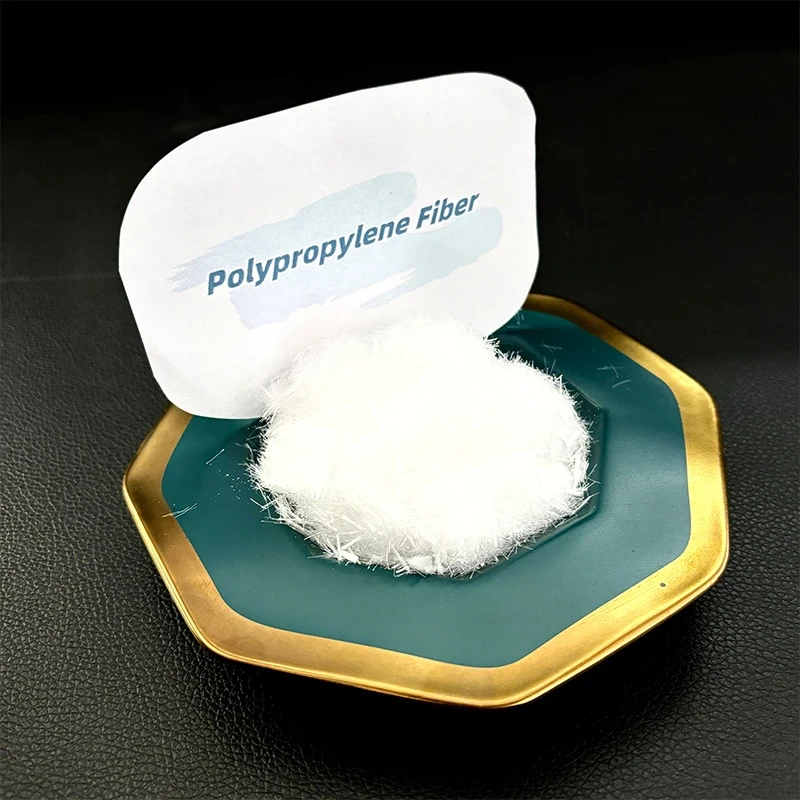 harga_bubuk_polimer_yang_dapat_didispersikan_kembali
Oct . 25, 2025
Hydroxypropyl methyl cellulose (HPMC) is a synthetic polymer used across varied industries, includin -
 prix_de_la_methylcellulose
Oct . 25, 2025
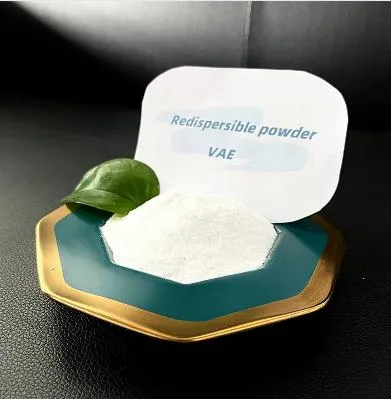
When it comes to enhancing the durability and strength of concrete, polypropylene fiber is an indisp -
 caracteristicas_de_la_fibra_de_polipropileno
Oct . 25, 2025
Navigating the complex world of nbr rubber powder reveals its immense benefits and transformative pr


